
Our process.
Closed-loop manufacturing.
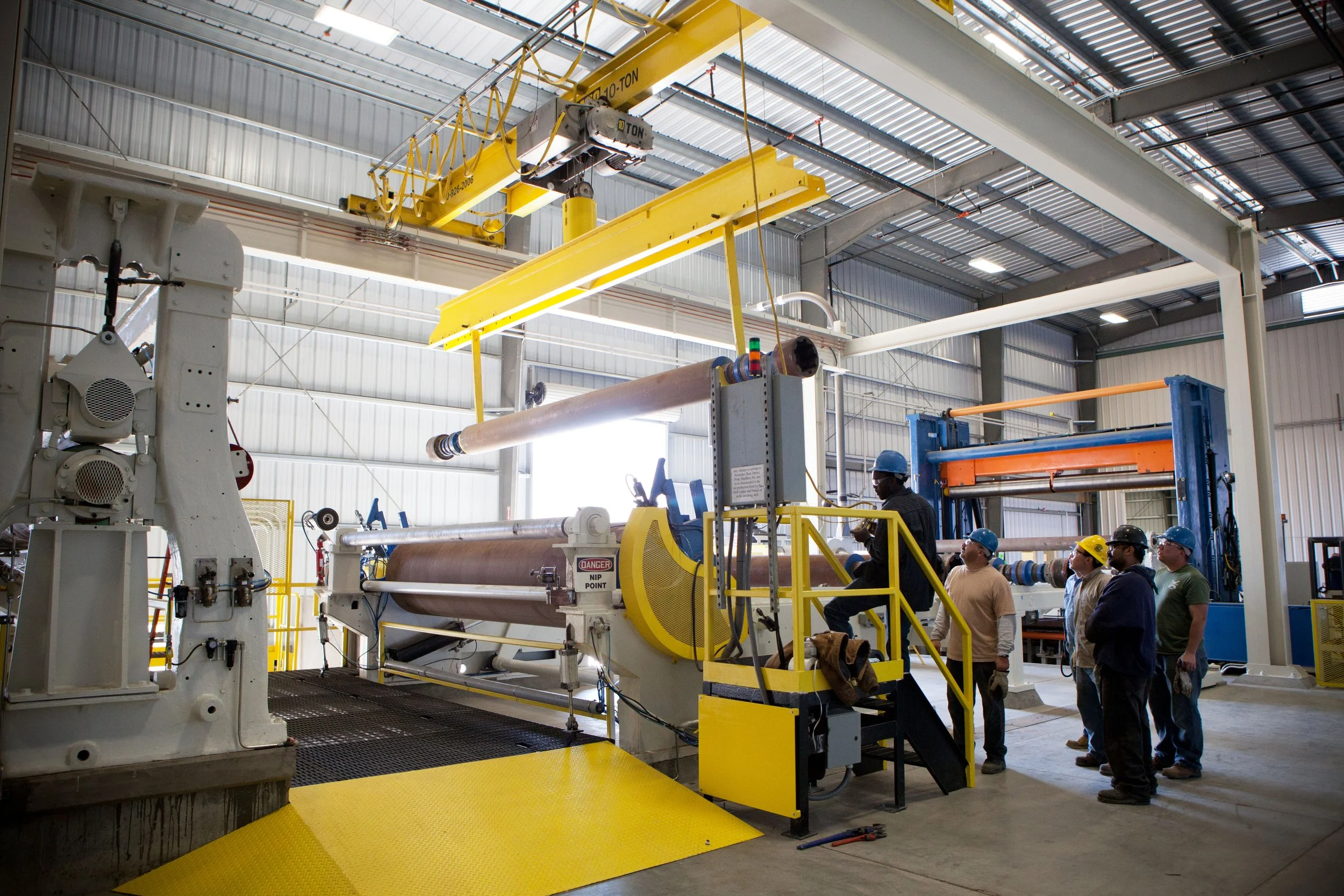
Our mill operates within a closed-loop manufacturing system as we capitalize on the reuse of resources necessary to produce our products. This refers to the continuous circulation of processwater back into the system, also referred to as “white water”. To complement this effect, we also maintain discipline within our manufacturing material being limited to 100% recycled cellulose fiber in the creation of a product that can be recycled again. Our goal is to create the smallest carbon footprint in the production of an ecofriendly product.
How we do it.
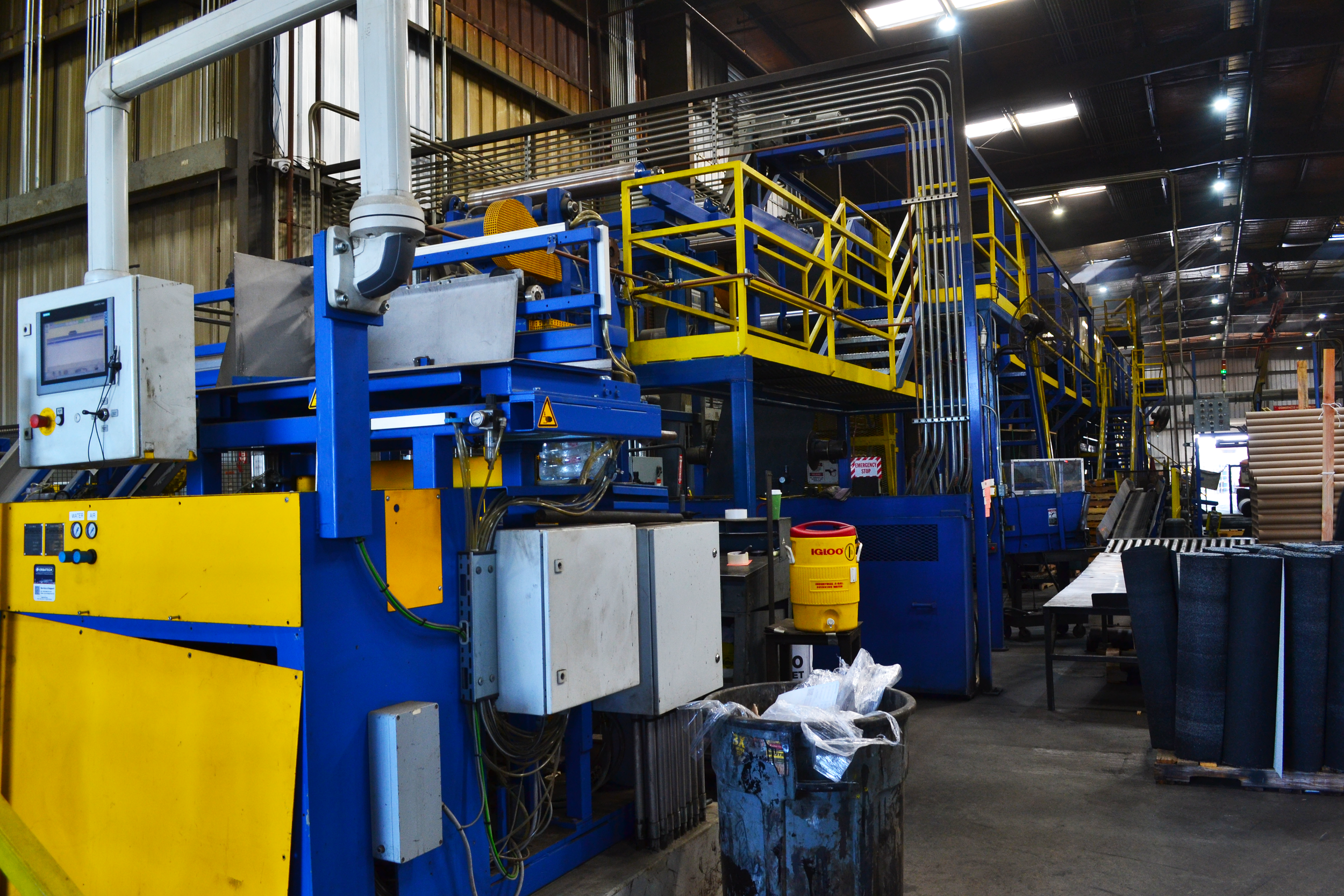
The main function of the mill is to break down the cellulose fibers found in recyclables, remove all contaminants, integrate them with water to create a consistent slurry, and slowly remove the water with strict precaution in the pursuit of consistentsheet formation. Our millhas a variety of steps that are incorporated in order to manipulate and reinvest these fibers into a new product, categorized into three major subgroups:
•Pulping, screening and cleaning
•Forming, pressing and drying
•Winding, shipping and logistics
Each stage is crucial in the paper making process, as our product transitions from brown slurry to a refined sheet of paper inside the walls of our facility.
the big three.
Pulping, screening and cleaning.
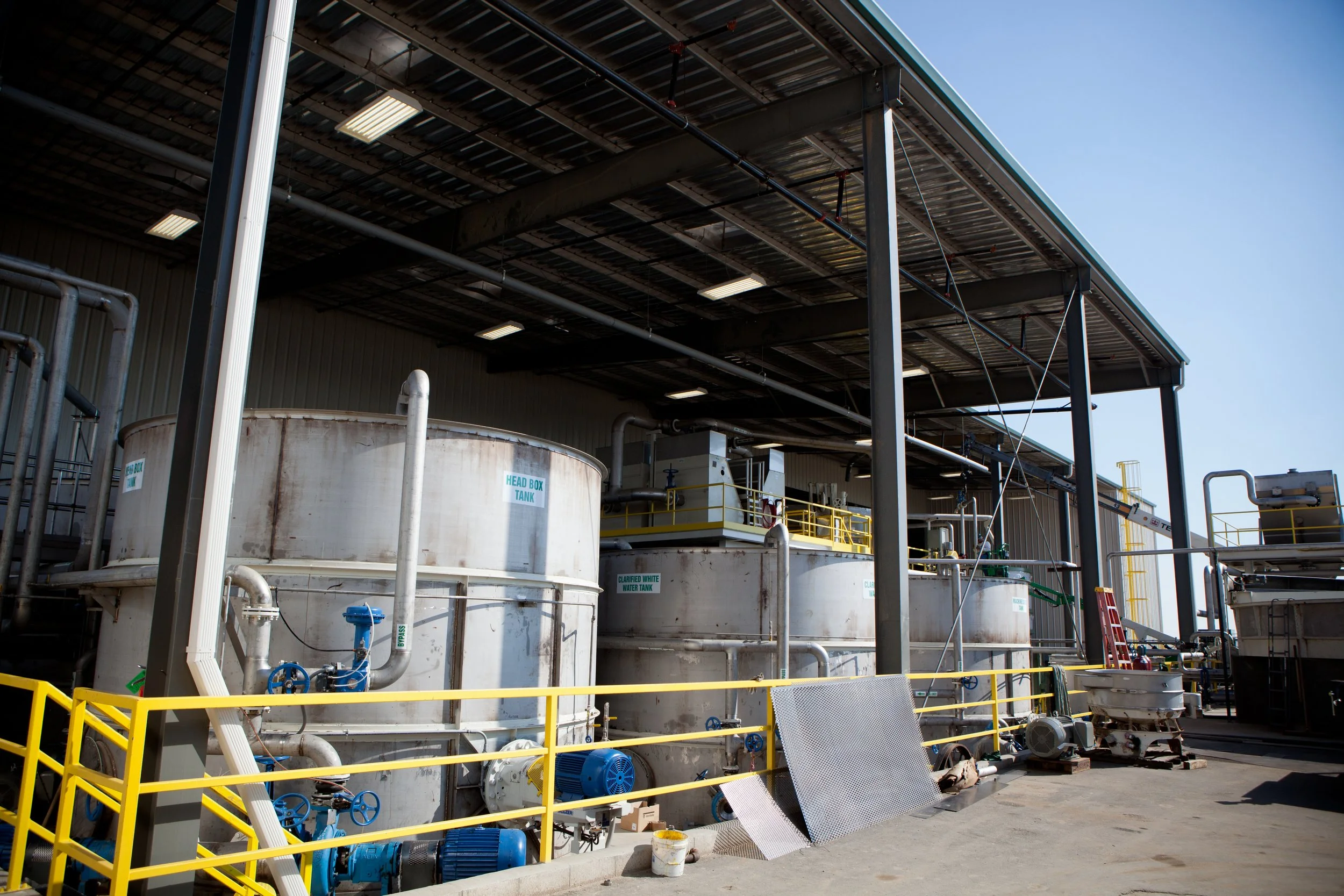
This section marks the beginning of our paper-making process and involves the hydro pulpers, the trommel and scavengerscreens, pressure screens, hydro sieves, refiners, and our approach system. Within these stages, the fibers are combined with water to create a slurry and are forced through a variety of screening, beating, and cleaning machines to ensure proper fiber distribution and to separate out contaminants.
Forming, pressing and drying.
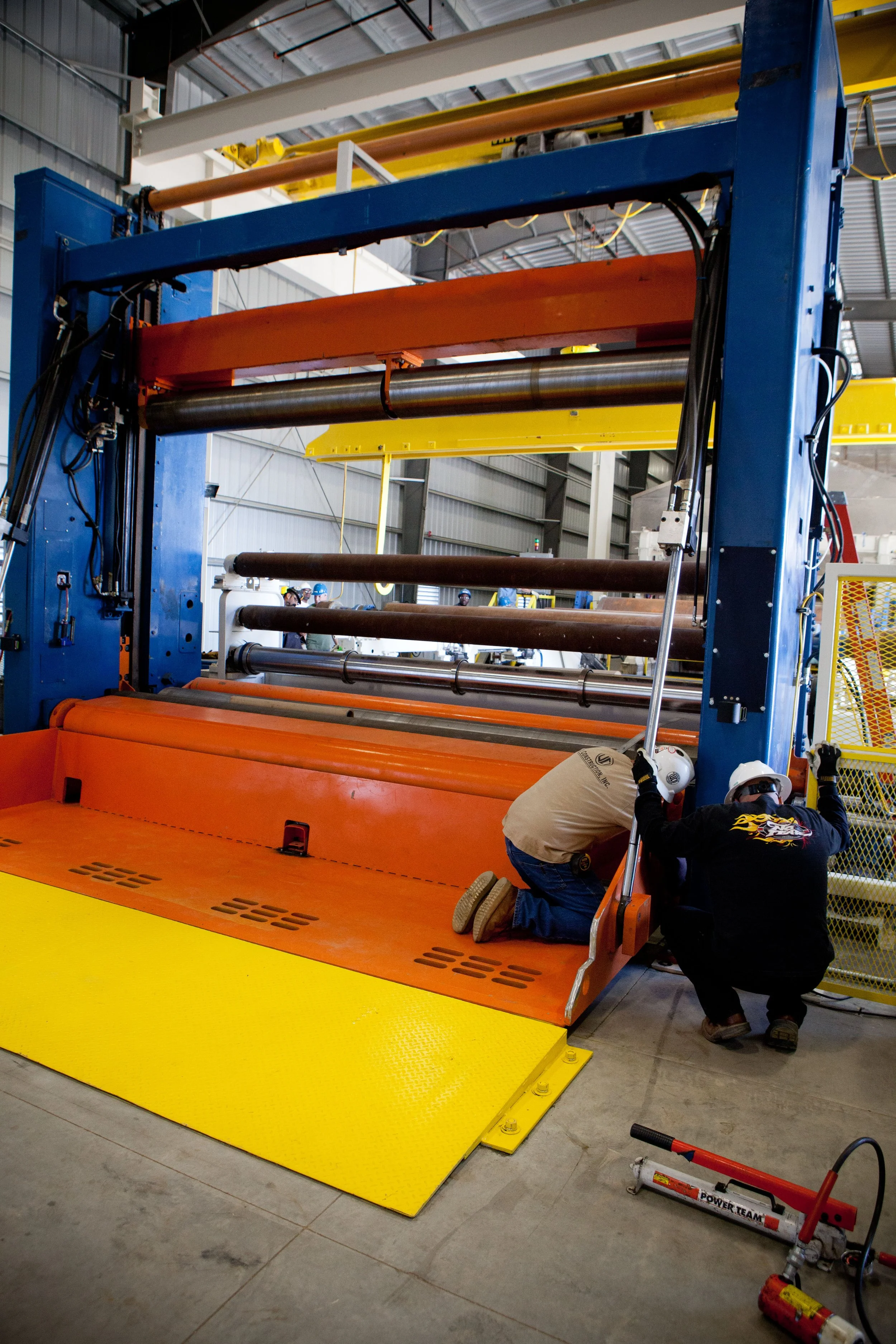
Following the screening and refining systems, our slurry is ready to be evenly distributed onto the wire and begin its journey to becoming a solid sheet. This involves the headbox,fourdrinier,presssection, dryer section, and the calendar stack. Within these steps, water content is periodically reduced through a series of pressure, suction, and heat application before being wound into a roll of paper.
winding, shipping and logistics.
This section marks the end of our process and consists of reeling, rewinding, slitting and manipulating the rolls into different variations of paper products. Here, the paper is packaged and inventoried before being shipped out to our global customer base. Grade and production data are documented through our standardized lab testing to ensure our products are up to the quality standards.