
Our Environmental Impact
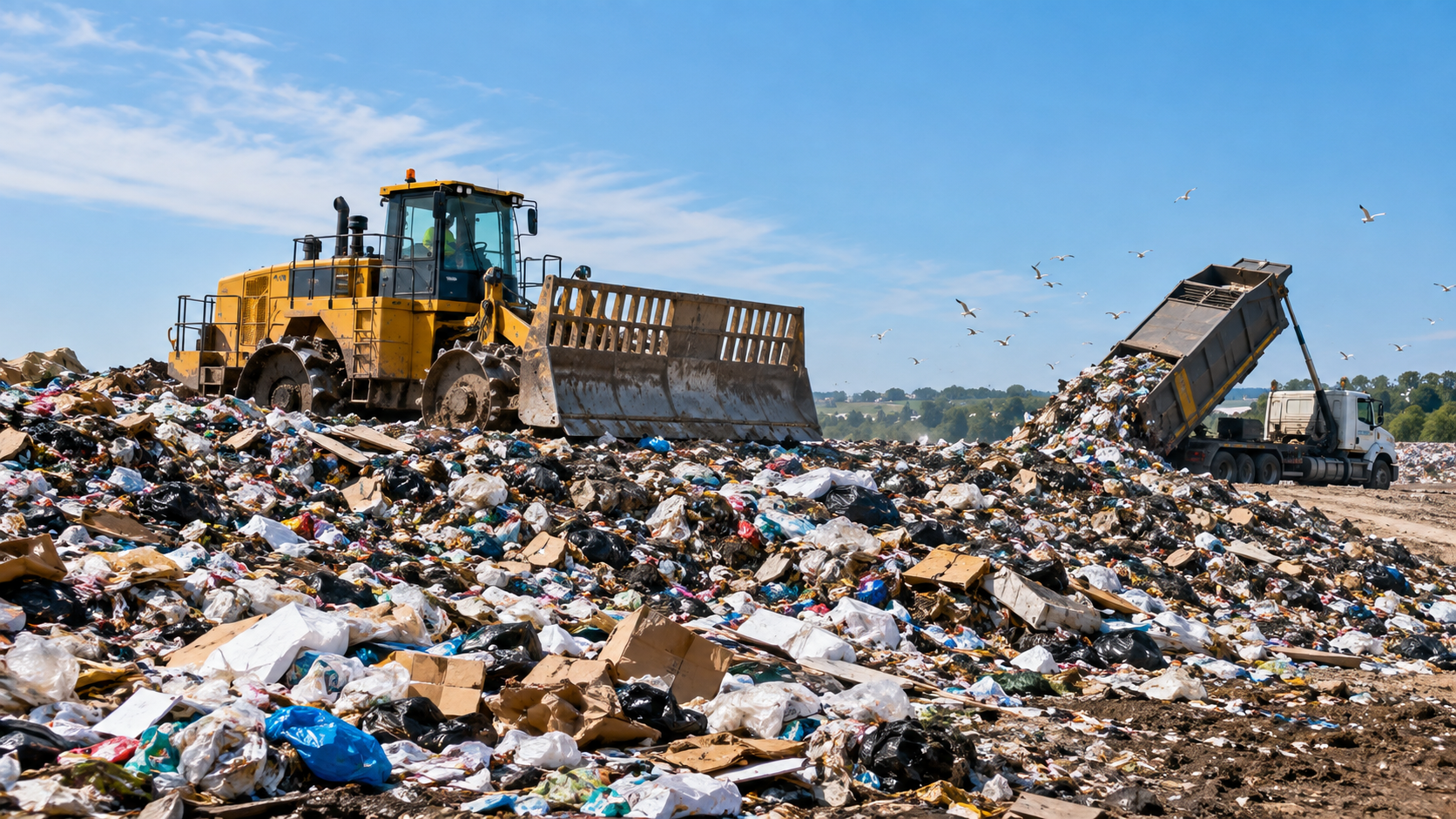
Landfill Diversion
Staying true to our manufacturing process allows for the diversion of over 150,000 tons of wastepaper and cardboard that could potentially occupy landfills annually. This is a crucial step in achieving long term change, as landfill operations have been proven to increase pollution levels, contribute to greenhouse gas emissions, and affect long-term environmental sustainability. Specifically, the ISWA predicts that landfills alone will account for 10% of greenhouse gas emissions by the end of 2025 due to their consistent generation and release of Methane into the atmosphere.
Did you know?
Recycling paper produces 73% less air pollution compared to traditional virgin paper mills.
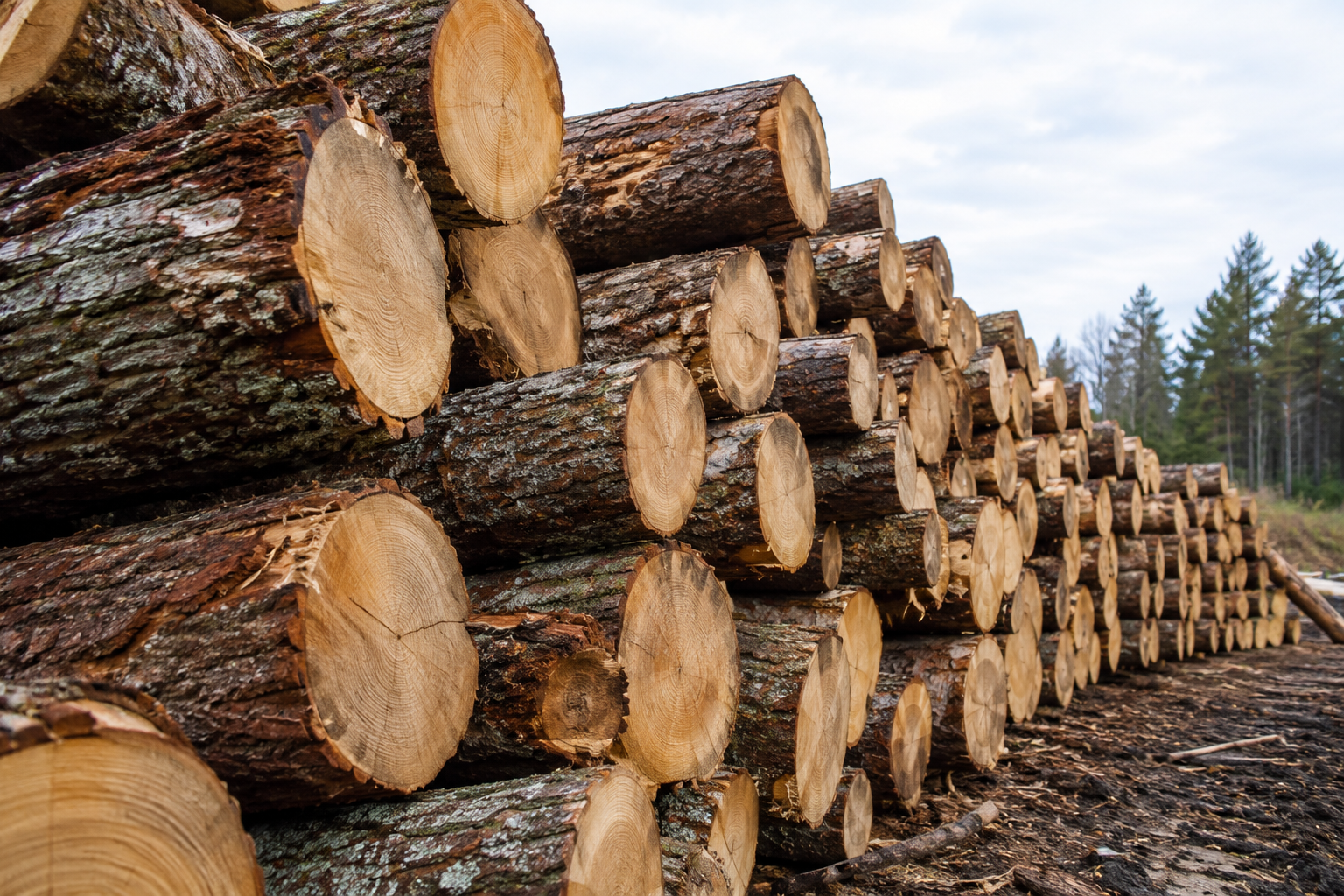
timbering
Studies show that traditional timbering contributes to soil degradation, loss of habitat for wildlifeand plant species, increased carbon emission, and the contamination of neighboring water quality. Although the effects may not be seen immediately, the destruction of natural environments act as the foundation for species extinction, loss of cultivation properties, and climate change.Within our system, recycling one ton of paper can save the equivalent of 17 trees.
Energy Conservation efforts
Recycled paper mills, on average, consume 50% less energy in the production of a finished sheet in comparison to traditional mills utilizing virgin fiber from timbering. Our closed loop system allows for the reuse of 100% process water, minimizing the need for consistent replenishment of finite natural resources. To put this into perspective, recycling one ton of paper saves an equivalent of 7,000 gallons of water and conserves enough energy to power the average American home for six months.